
Karwa Chauth 2026: Date, Rituals and Meaning of the Fast
Karwa Chauth 2026 falls on 29 October. Learn the meaning of this Krishna paksha Chaturthi fast, rituals, moon worship and optional remedies.
· 6 min read · Team iAstroGuru
हिंदी में पढ़ें
Karwa Chauth (करवा चौथ) will be observed on 29 October 2026, as per the New Delhi date. It falls on the Chaturthi of the Krishna paksha, and the fast is traditionally kept from early morning until the Moon rises in the evening. For married couples across North and West India, it is one of the most cherished days of the year, centred on love, commitment and the well-being of one's partner.
Karwa Chauth 2026 at a Glance
- Festival: Karwa Chauth (करवा चौथ)
- Date (New Delhi): 29 October 2026
- Paksha: Krishna paksha (waning Moon)
- Nature of the fast: Kept until moonrise
Moonrise times differ from city to city, sometimes by a noticeable margin. Please check a reliable local panchang for the exact moonrise in your city before planning the evening puja and the breaking of the fast.
The Meaning of Karwa Chauth
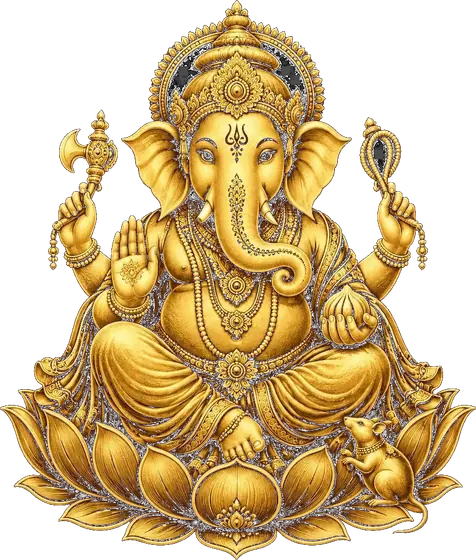
The name itself tells the story. Karwa refers to the earthen pot with a spout, used to hold water and offer arghya, and Chauth means the fourth day, the Chaturthi tithi. In the classical calendar, Chaturthi is closely associated with Lord Ganesha, the remover of obstacles, which is why many families begin the Karwa Chauth puja by remembering him.
The day also honours Goddess Parvati in her form as the ideal devoted wife, along with Lord Shiva and Kartikeya. Many households worship the full family of Shiva, seeing it as a symbol of a complete and harmonious home.
Popular stories linked to this vrat include the tale of Queen Veeravati, whose brothers tricked her into breaking her fast early, and the story of Karwa, a devoted wife whose resolve is said to have protected her husband. Whatever the version told in your family, the message remains the same: sincere devotion, patience and self-discipline strengthen the bond between partners.
The Astrological Significance of the Moon
In Vedic astrology, the Moon (Chandra) is the karaka of the mind, emotions, nourishment, comfort and emotional security. A well-placed Moon in a chart is classically linked with a calm temperament, emotional maturity and a nurturing nature. Since married life depends so heavily on emotional understanding, it is fitting that this vrat is completed only after seeing and worshipping the Moon.
The festival falls in the Krishna paksha, the waning half of the lunar month. Traditionally, the waning phase is associated with turning inward, restraint and letting go. Fasting during this phase indicates a period suited to reflection, quiet prayer and releasing small grievances that may have built up in a relationship.
Chaturthi is a Rikta tithi in classical texts, generally considered more suitable for spiritual discipline, vows and removal of obstacles than for starting worldly ventures. This makes it a natural day for a vrat dedicated to protection and well-being rather than celebration alone.
How the Fast Is Traditionally Observed
Customs vary between regions and families, but the broad pattern is quite similar.
- Sargi before sunrise: In many Punjabi and North Indian homes, the mother-in-law gives the daughter-in-law a plate of sargi, often with fruits, dry fruits, sweets and light food, to be eaten before dawn.
- The day-long fast: The fast is traditionally nirjala, without food or water, from sunrise until moonrise. Some women keep a phalahar fast or take water, depending on family custom and personal health.
- Solah shringar: Women dress in festive attire, often red or bridal colours, with mehendi, bangles, sindoor and other marks of marriage.
- Evening katha and puja: Women gather in the evening, sit in a circle with their decorated thalis and karwas, listen to the Karwa Chauth katha and pass the thalis around while singing traditional songs.
- Moon darshan and arghya: Once the Moon rises, it is viewed through a sieve, water is offered from the karwa as arghya, and prayers are said for the husband's long life and happiness.
- Breaking the fast: The husband traditionally offers the first sip of water and the first bite of food, after which the family shares a meal.
A Simple Puja Vidhi
For those who wish to follow a straightforward method at home, here is a traditional outline:
- Clean the puja space in the evening and place an image of Goddess Parvati, Lord Shiva, Lord Ganesha and Kartikeya, or a Gauri made of clay.
- Fill a karwa with water and keep it on the altar, along with a thali containing roli, rice, a diya, sweets and a sieve.
- Begin by remembering Lord Ganesha, then offer flowers, roli and rice to Goddess Parvati.
- Listen to or read the Karwa Chauth katha with full attention.
- After moonrise, view the Moon through the sieve, offer arghya from the karwa and pray for harmony, health and togetherness.
- Exchange karwas or offer them, along with sweets and suhag items, to an elder woman of the family as a mark of respect.
A Note on Health and Fasting
A nirjala fast can be demanding, especially for those who are pregnant, elderly, unwell or on regular medication. Tradition has always allowed flexibility, and many families accept a phalahar fast or simply sincere prayer in place of a strict fast. Anyone with a health concern may wish to speak to their doctor before deciding how to observe the day. The spirit of the vrat lies in devotion, not in hardship.
Optional Traditional Remedies for Harmony in Married Life
The following practices are offered as traditional, optional observances. They are expressions of faith and are entirely a matter of personal choice.
- Chandra mantra: Chanting Om Som Somaya Namah or Om Chandraya Namah 108 times after moonrise is traditionally linked with a calmer mind and emotional balance.
- Offering milk and water: Adding a little raw milk, rice and white flowers to the arghya water is a common way of honouring the Moon.
- Gauri puja: Reciting the Gauri stuti or simply offering red chunri and kumkum to Goddess Parvati is traditionally associated with blessings for a stable married life.
- Daan: Giving white items such as rice, milk, sugar or white cloth to those in need is considered auspicious for the Moon.
- Ganesha prayer: Since the day is a Chaturthi, offering durva grass or modak to Lord Ganesha is a gentle way to pray for the removal of obstacles in the relationship.
For Couples Living Apart and Unmarried Women
Many couples today live in different cities or countries because of work. In such cases, it is common to complete the moon darshan over a video call, with both partners praying at the same time. Unmarried women in some regions also keep this fast, praying for a suitable and understanding life partner. Increasingly, husbands too keep the vrat alongside their wives, a lovely reflection of mutual care and equality in modern marriages.
Closing Thoughts
Karwa Chauth on 29 October 2026 is a day to slow down, express love openly and renew the promises at the heart of a marriage. The Moon, as the significator of the mind and emotions, reminds us that tenderness, patience and understanding are what truly sustain a relationship. However you choose to observe it, with a strict fast, a gentle phalahar or quiet prayer, may this Karwa Chauth bring warmth, peace and togetherness into your home.