
Dhanteras 2026: Date, Significance, Puja and Traditions
Dhanteras 2026 is on 6 November, the first day of Diwali. Learn its meaning, Dhanvantari and Lakshmi puja, Yama Deepam and optional traditional practices.
· 5 min read · Team iAstroGuru
हिंदी में पढ़ें
Dhanteras (धनतेरस) falls on Friday, 6 November 2026, as observed in New Delhi, during the Krishna paksha, the waning phase of the Moon. It is the first day of the five-day Diwali festival and is dedicated to Lord Dhanvantari and Goddess Lakshmi. Across India, families clean their homes, light lamps and welcome prosperity and good health for the year ahead.
What Dhanteras Means
The name joins two words. Dhan means wealth and Teras refers to Trayodashi, the thirteenth lunar day. Dhanteras is observed on the Trayodashi of the Krishna paksha. In the Purnimanta calendar this falls in the month of Kartik, and in the Amanta calendar it falls at the end of Ashwin. Both reckonings point to the same day.
The festival is also known as Dhanatrayodashi and Dhanvantari Trayodashi. The first name honours wealth. The second honours the divine physician who, according to tradition, rose from the churning of the ocean carrying a pot of amrit. That is why the day blesses two things together: material abundance and wellbeing. In Indian thought one is incomplete without the other. Wealth has little meaning without health, and a healthy life is easier when the household is secure.
The Story of Dhanvantari
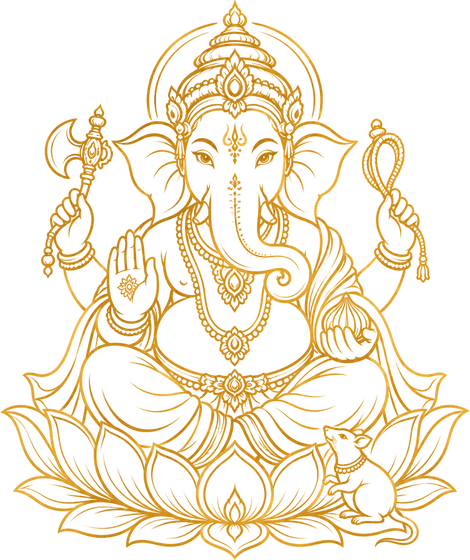
The Puranas tell of the Samudra Manthan, when devas and asuras churned the cosmic ocean for amrit. Many treasures came up during the churning. Among the last to appear was Dhanvantari, holding the kalash of nectar. He is honoured as the patron of Ayurveda and the healing arts. Many practitioners of traditional Indian medicine mark this day as National Ayurveda Day.
Worship of Dhanvantari on Dhanteras is a prayer for steady health, discipline in daily habits and a balanced life. It is a spiritual practice of gratitude and intention. It is not a substitute for proper medical care, and anyone with a health concern should consult a qualified doctor.
Lakshmi, Kubera and the Spirit of Prosperity
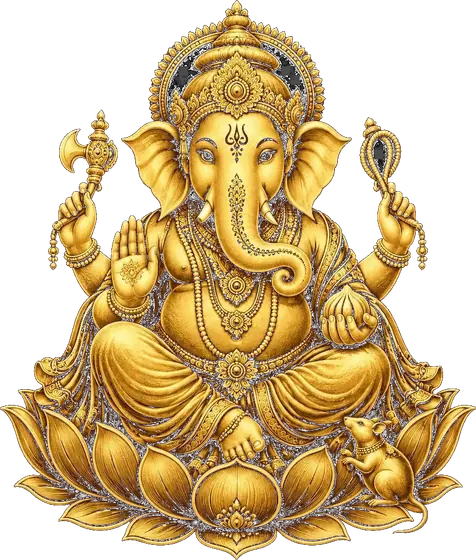
Goddess Lakshmi also emerged from the ocean of milk, and Dhanteras begins the period of her special worship that leads to Lakshmi Puja on the main night of Diwali. Many families also worship Kubera, the treasurer of the gods, who stands for the safekeeping and right use of wealth.
In the classical view, Lakshmi stays where there is cleanliness, order, honesty and generosity. This is why the days before Dhanteras are spent cleaning, repairing and decorating the home. A clean entrance, fresh rangoli and a lit doorway are seen as a warm invitation to the goddess.
The Legend of Yama Deepam
Another well-known story belongs to this evening. A young prince was foretold to die on the fourth day of his marriage. On that night his wife placed her gold and silver ornaments in a heap at the door of their room, lit many lamps and kept him awake with stories and songs. When Yama arrived as a serpent, the shine of the lamps and ornaments dazzled him. He sat on the heap listening to the songs until dawn and then left quietly.
From this story comes the custom of Yama Deepam. On Dhanteras evening a lamp is lit outside the house, often facing south, the direction linked with Yama. It is a prayer for the long life and protection of family members.
How Dhanteras Is Observed
Customs differ from region to region, but some practices are widely shared:
- Cleaning and decorating the home, especially the entrance, the kitchen and the place of worship.
- Rangoli at the doorway, sometimes with small footprints drawn in rice paste or vermilion, showing Lakshmi entering the home.
- Lighting diyas in the evening, at the main door, in the courtyard and near the tulsi plant.
- Dhanvantari puja with flowers, incense, a lamp and simple offerings, along with prayers for the family's health.
- Lakshmi and Kubera puja in the evening with a kalash, fresh flowers, sweets and coins kept in front of the deities.
- Yama Deepam, a single lamp placed outside the home for the protection of family members.
The Tradition of Buying Metal and Utensils
Dhanteras is widely linked with bringing home something new, especially items of metal such as brass or steel utensils, silver coins or small ornaments. The custom ties back to Dhanvantari's pot of amrit and to the idea of welcoming Lakshmi in a lasting form. Many families also buy a new broom, which stands for sweeping away poverty and negativity.
This custom is optional. A small item bought within the family's means carries the same meaning as an expensive one. The spirit of the day lies in gratitude and intention, not in the size of the purchase. Nobody should feel pressured to spend beyond their comfort for the sake of the festival.
Astrological Significance
In Jyotish, the Trayodashi tithi is generally seen as favourable for auspicious beginnings, worship and acts connected with prosperity. Its ruling deity is traditionally given as Kamadeva, which links it with desire, beauty and the wish to make life full. Falling in the Krishna paksha, as the Moon moves towards Amavasya, Dhanteras begins a gradual turning inward that peaks with Lakshmi worship on the darkest night of the month.
In 2026 Dhanteras falls on a Friday, the day ruled by Venus (Shukra). Venus is the natural karaka of comfort, beauty, luxury, art and the pleasures of home life. This makes the day especially fitting for Lakshmi worship, for beautifying the home and for honouring the women of the household, who are often seen as the living form of Griha Lakshmi. Many people offer white flowers, kheer or white sweets on Fridays as a mark of respect to Shukra.
Optional Traditional Remedies
The following practices are traditionally followed on Dhanteras. They are shared as optional devotional observances, to be taken up only as one's faith and comfort allow:
- Light a ghee or sesame oil lamp at the main entrance at dusk and keep it burning for some time.
- Chant the Dhanvantari mantra or simply offer a prayer for the wellbeing of all family members.
- Recite Shri Suktam or the Lakshmi Ashtakam during the evening puja.
- Keep a few coins, a little rice and turmeric in a clean red cloth near the place of worship, a common household custom for prosperity.
- Donate food, clothes or lamps to those in need, since charity is believed to strengthen the blessings of the day.
- Keep the home clean and avoid quarrels or harsh words in the evening, honouring the tradition that Lakshmi stays where there is peace.
A Day for Gratitude
At its heart, Dhanteras is about seeing wealth and health as blessings to be cared for with gratitude. As lamps light up homes on 6 November 2026 and the Diwali festivities begin, it is a lovely moment to take stock of what one already has and to set clear intentions for the months ahead. From all of us at iAstroGuru, we wish you and your family a bright, healthy and prosperous Dhanteras.