
Diwali 2026 Lakshmi Puja: Date, Meaning and Puja Guide
Diwali 2026 falls on 8 November. Learn the meaning of Lakshmi Puja, how to choose the evening muhurat, simple puja steps and optional Vedic remedies.
· 6 min read · Team iAstroGuru
हिंदी में पढ़ें
Diwali, the festival of lights, falls on Sunday, 8 November 2026 for New Delhi, and the main Lakshmi Puja is performed in the evening of that day. It is celebrated in the Krishna Paksha, the waning half of the lunar month, when the darkest night of the month is lit up with rows of lamps to welcome Goddess Lakshmi into every home. Here is a simple guide to what the festival means in Jyotish, how families traditionally prepare, and how to make the evening puja meaningful.
Diwali 2026 at a Glance
- Festival: Diwali, Lakshmi Puja (दीपावली, लक्ष्मी पूजा)
- Date (New Delhi): Sunday, 8 November 2026
- Paksha: Krishna Paksha (waning Moon)
- Main worship: Lakshmi Puja in the evening
- Spirit of the day: light over darkness, gratitude, prosperity and family unity
Exact puja timings change from city to city because they depend on local sunset and the rising sign at your location. Please check a reliable local panchang for your town before fixing the time of your puja.
Why Lakshmi Puja Is Done on a Dark Night
In the Vedic calendar, Lakshmi Puja is traditionally observed on the Amavasya of the Krishna Paksha in the month of Kartik. Amavasya is the night when the Moon is not visible at all. In Jyotish, the Moon represents the mind and emotional comfort, so this night is symbolically the most inward and still point of the lunar month.
The classical teaching is beautiful in its simplicity: Lakshmi does not arrive where there is already light; she is invited by the light we create ourselves. Every diya placed at the doorstep, the courtyard and the windows is an act of intention. The dark night reminds us that prosperity is not only money but also clarity, good health habits, harmony at home and a calm mind.
Many scriptures also link the night to Lakshmi's emergence during the churning of the ocean, and to the return of Lord Rama to Ayodhya, when the city lit lamps to welcome him. Both stories carry the same message: after a long period of effort or exile, light and abundance return.
The Festival Around Diwali
Diwali is usually celebrated as a cluster of sacred days, and families in different regions give each day its own importance:
- Dhanteras: worship of Dhanvantari and Lakshmi, with a focus on health and household well-being.
- Naraka Chaturdashi (Chhoti Diwali): early morning bath, cleansing and lighting of lamps to remove negativity.
- Lakshmi Puja: the main evening worship of Lakshmi, Ganesha and Kubera.
- Govardhan Puja and Annakut: gratitude to nature and to the food that sustains us.
- Bhai Dooj: a celebration of the bond between brothers and sisters.
Check your local panchang for the dates of the surrounding days in 2026, as regional calendars can differ by a day.
Choosing the Right Time for Lakshmi Puja
Two classical ideas guide the timing of the evening puja.
Pradosh Kaal is the twilight window that begins at sunset and lasts for roughly a couple of hours. It is considered especially auspicious for the worship of Lakshmi because it is the meeting point of day and night.
Sthir Lagna means a fixed rising sign. The four fixed signs in the zodiac are Vrishabha (Taurus), Simha (Leo), Vrishchika (Scorpio) and Kumbha (Aquarius). Traditional texts suggest that worship done while a fixed sign is rising helps the blessing of Lakshmi stay steady in the home rather than come and go. Many families aim for the period when Pradosh Kaal and a fixed lagna overlap.
Since both depend on your exact location, the most reliable approach is to look up your city's sunset time and lagna timings in a local panchang for 8 November 2026.
A Simple Lakshmi Puja at Home
You do not need an elaborate setup for a heartfelt puja. A clean space, sincere intention and a few traditional items are enough.
- Clean the home thoroughly in the days before, especially the entrance and the northeast corner.
- Draw a rangoli at the main door and place lamps on both sides of the threshold.
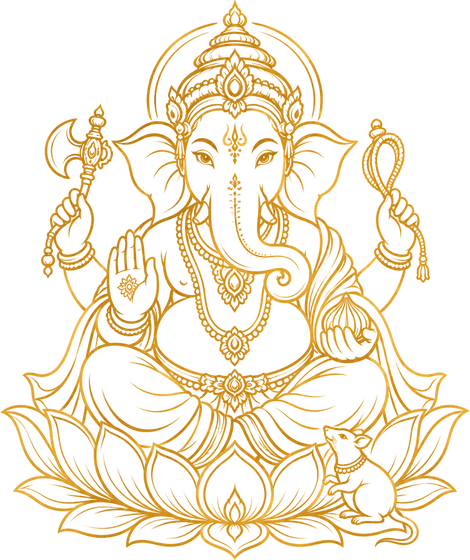
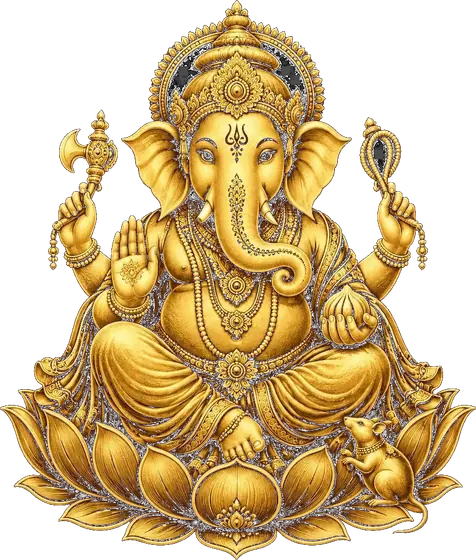
- Set up a raised platform with a fresh red or yellow cloth, and place images or idols of Lakshmi and Ganesha. Ganesha is worshipped first to remove obstacles.
- Place a kalash with water, mango leaves and a coconut, along with rice, kumkum, turmeric, flowers and sweets.
- Many families also keep account books, a pen and a small amount of household savings near the altar, symbolising honest work and a fresh financial year.
- Light a ghee or oil diya, offer flowers and naivedya, recite the prayers you know, and end with aarti.
- After the puja, light lamps throughout the home and keep at least one lamp burning safely through the night where possible.
What Diwali Indicates in Jyotish Terms
In a birth chart, wealth is read mainly from the 2nd house (savings, family resources and speech) and the 11th house (gains, income and fulfilment of desires). Venus, called Shukra, signifies comfort, beauty and the pleasures of life, while Jupiter, or Guru, signifies wisdom, blessings and lasting growth. The 9th house shows fortune and dharma.
Diwali is a natural moment to reflect on these areas of your own chart. If you are running a Mahadasha or Antardasha of the lord of your 2nd, 9th or 11th house, this festive period can be a meaningful time for setting financial intentions, settling old dues and planning disciplined savings. If the dasha running is of a planet that is weak or afflicted in your chart, the season indicates that patience, careful budgeting and steady effort will support you more than hasty decisions.
The festival also highlights the 4th house of home and inner peace. A clean, well-lit and harmonious home is itself seen as a seat for Lakshmi, which is why the cleaning and decorating rituals carry so much importance.
Optional Traditional Remedies
The following practices are offered by tradition for those who wish to follow them. They are entirely optional and are meant to support devotion and discipline, not to replace practical effort.
- Chant Om Shreem Mahalakshmyai Namah 108 times during the evening puja.
- Recite the Shri Suktam or the Kanakadhara Stotram if you are familiar with them.
- Offer white sweets, kheer or lotus seeds (makhana) to the Goddess, and share the prasad with family and neighbours.
- Light a lamp near a Tulsi plant and at the main entrance at dusk.
- Give food, warm clothes or sweets to those in need; charity is considered one of the purest ways to invite Lakshmi.
- Keep the home free of clutter and avoid harsh words on this day, as speech belongs to the 2nd house of wealth.
No purchase is necessary for any of these remedies. A simple lamp, a sincere prayer and an act of kindness carry the essence of the festival.
A Few Mindful Reminders
- Keep lamps and candles away from curtains and children's reach.
- Choose quieter, cleaner celebrations where possible, keeping in mind elders, pets and those with breathing sensitivities.
- Spend some time with family members you may not have met for a while; relationships are a form of wealth too.
- Use the night to set one clear, practical goal for the coming months.
Closing Thoughts
Diwali on 8 November 2026 is an invitation to light lamps both outside and within. When devotion meets honest effort and a generous heart, the tradition says Lakshmi feels at home. From all of us at the Jyotish Journal, we wish you and your family a bright, peaceful and prosperous Diwali.